The Neutral Zone: The Most Uncomfortable and Most Creative Place to Be
I’m leaving New York City after almost 40 years, and I’m not entirely sure who I’ll be in my new home. My identity has long been wrapped up in being a New Yorker. I've always believed that famous line: If you can make it in New York, you can make it anywhere.
I arrived here from a suburb of Baltimore with no connections. I didn’t attend the “right” schools, and I didn’t become a lawyer or an investment banker. But through grit, hard work, and a lot of belief, I built a life far beyond anything I could have imagined. And yet, at this stage of life, New York no longer feels like home.
So now I find myself sitting with a new question: Who am I becoming now?
I’ve officially entered what William Bridges calls the Neutral Zone – that in-between space after an ending but before a new beginning. It’s the phase of a transition where old identities begin to loosen, and new ones haven’t fully formed. It can feel disorienting and uncertain, but Bridges argues that it is also the most creative and possibility-rich stage of change because it’s where reinvention, insight, and unexpected opportunities emerge.
My husband and I have spent the last five years searching for a place that felt right – close to friends and family (but not too close), with cultural life, museums, theatre, a vibrant tennis community, four seasons without harsh winters, and easy access to the outdoors. We looked everywhere from Florida to Maine.
And then we found Richmond, Virginia.
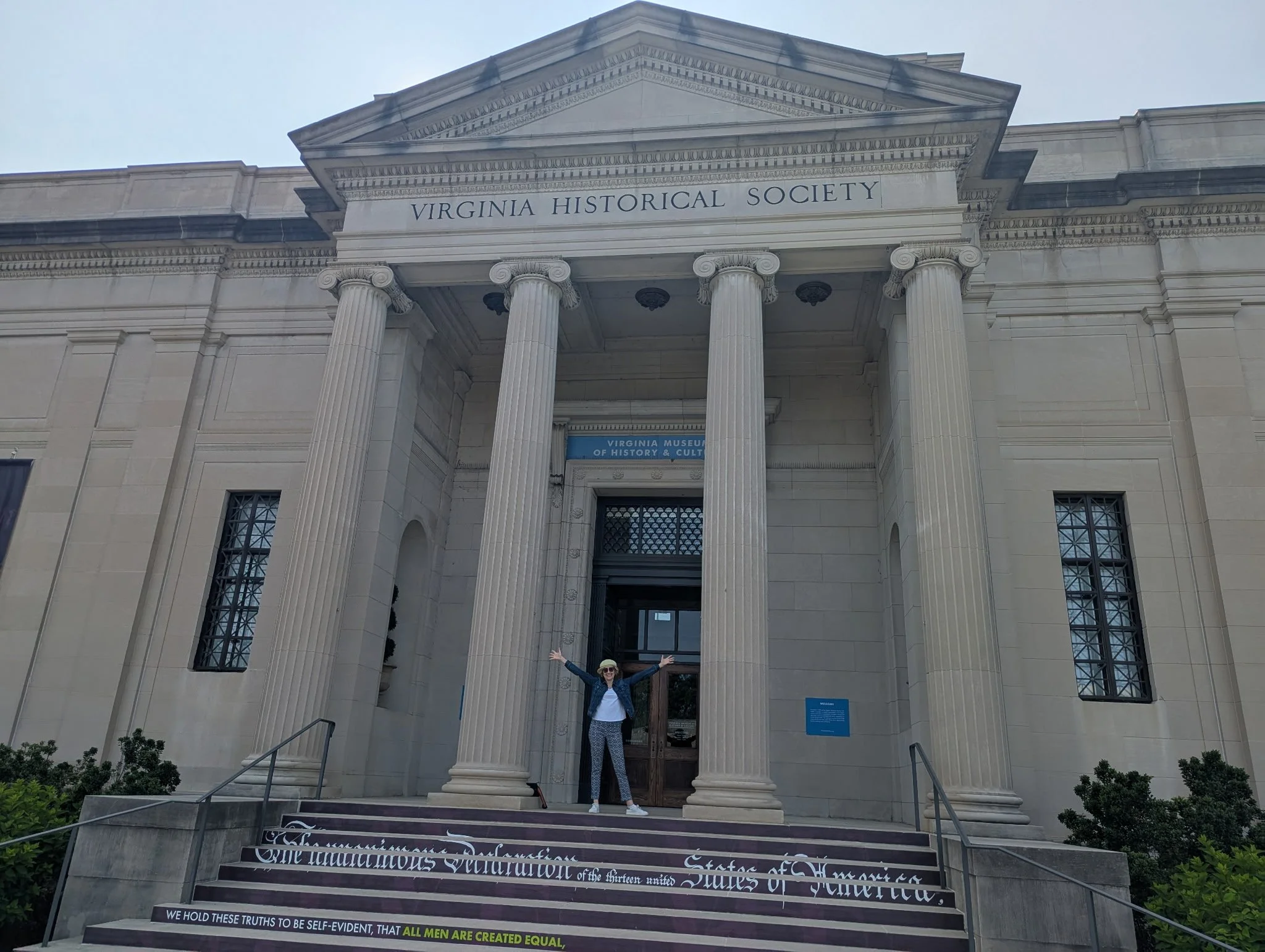
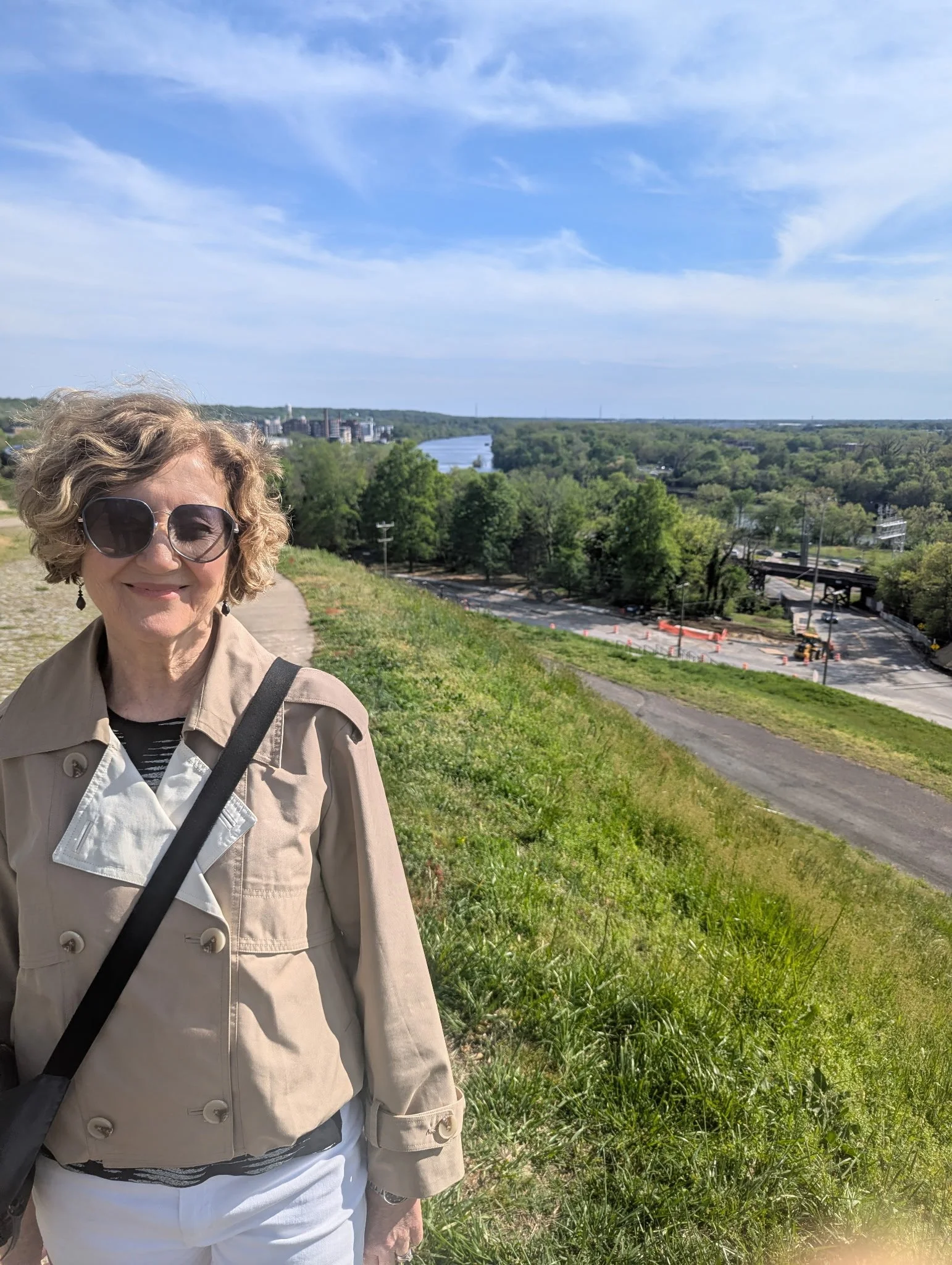
This past April, we rented an Airbnb in the historic Church Hill neighborhood and spent a month exploring the city. We hadn't planned on living there, but we quickly fell in love with the Victorian and Georgian architecture, the views of the James River, the parks, and the sense of discovery around every corner.
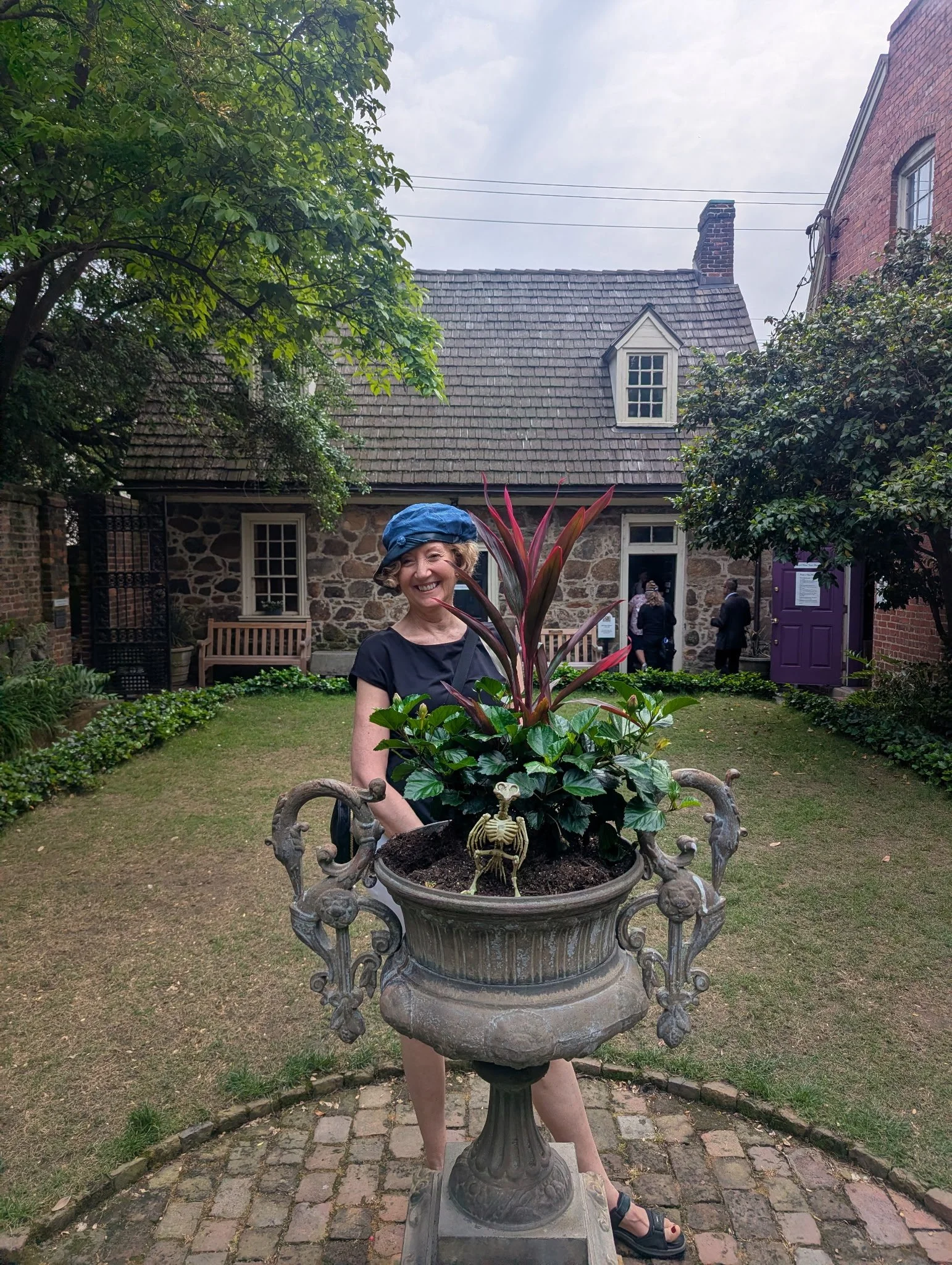
Nearly every day, I would set out for a museum and stumble upon something unexpected – a hat shop, a pottery studio, a historic landmark, a bakery, or a restaurant. But what captured my heart most were the people.
Whenever I mentioned that we were considering a move, people didn’t simply nod politely. They enthusiastically told me why they loved living in Richmond.
The most memorable conversation was with Jim, a retiree volunteering at the Virginia Museum of Fine Arts. Originally from Brooklyn, he spent nearly thirty minutes explaining why Richmond was the perfect blend of culture, food, friendliness, and sanity – without the taxes or stress of New York. Before I left, he handed me his business card and told me to call if I needed more convincing. What struck me was that this wasn't unusual.
I met people at a nail salon, a church, and a coaching conference who shared how much they loved living there. Many had relocated from New York, California, and other parts of the country. At an Easter service, two young women sitting next to me offered synagogue recommendations for my husband and a list of places I should explore.
These conversations did more than make me feel welcome. They helped me recognize something important: Richmond was giving me clues about who I want to become next.
New York shaped me in countless ways. I became culturally educated, a theatre aficionado, a modern art enthusiast, an expert subway navigator, and someone who can handle bullies and hyper-aggressive people without blinking. The city gave me resilience, grit, independence, and a belief that I can handle almost anything. But it also required something from me that I no longer want to give quite so freely.
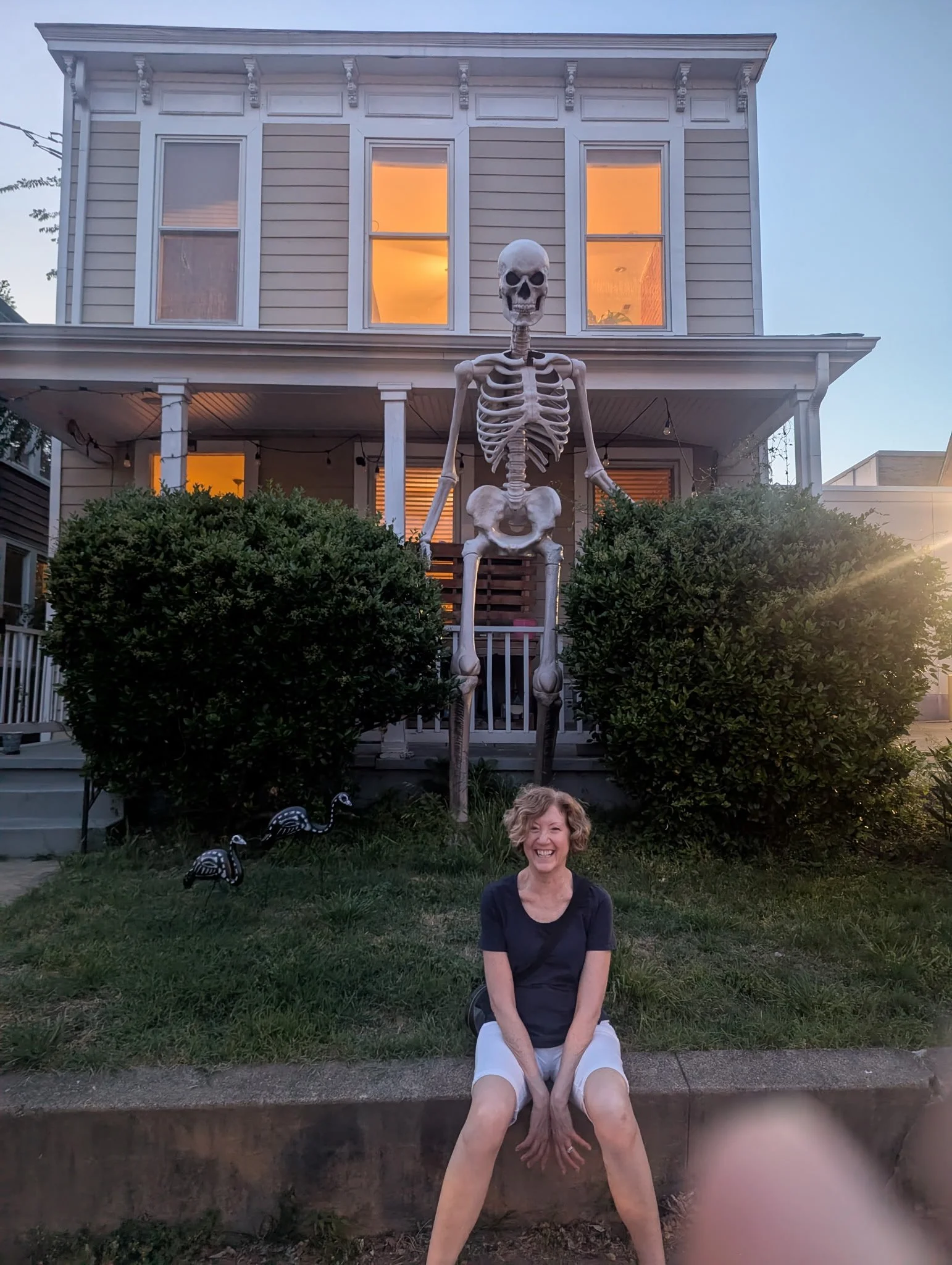
In Richmond, I witnessed kindness, a slower pace, genuine connection, and a way of life that felt more spacious. I found myself imagining a future where I don't need to put on my “New York face,” avoid eye contact, or hustle endlessly just to afford a normal life.
As I move through this Neutral Zone – this messy, uncertain space between what was and what will be – I keep returning to the question: Who am I becoming now?
William Bridges offers several practices for navigating transitions, and I've been experimenting with a few of them:
Carrying a small notebook and writing weekly reflections about what I'm drawn to and what I'm ready to release.
Spending 20 to 30 quiet minutes each morning in meditation or reflection.
Asking myself regularly, What do I really want? And listening carefully to the answers.
Most importantly, I'm accepting that I am in a transition. It's messy. I don't know exactly how it will unfold or who I'll become on the other side. But acceptance helps me relax into the uncertainty and resist the urge to rush ahead – a very New York instinct.
The Neutral Zone isn't comfortable. Most of us would prefer to skip over it and get straight to clarity. But this in-between space serves a purpose. It's where the next version of us quietly begins to take shape. And for the first time, instead of trying to rush through it, I'm learning to trust it.